Middle East conflict fuels shipping insurance costs
Insurance companies face a tough choice job in pricing insurance for ships navigating the troubled Strait of Hormuz and, now, Bab al-Mandeb. Dr Simone Krummaker warns of possible long-term implications.
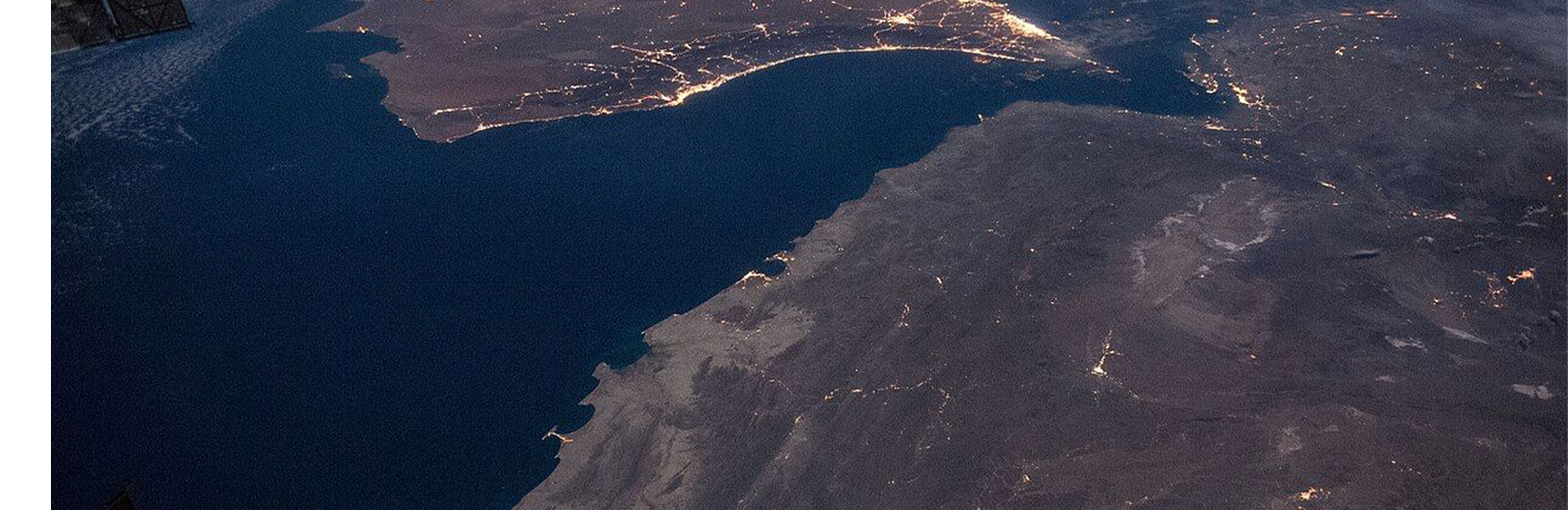
By attacking vessels at Bab al-Mandeb on route to the Red Sea the Houthis have further complicated the work of underwriters pricing insurance for oil tankers and cargo vessels using the Strait of Hormuz in the Persian Gulf.
Dr Simone Krummaker, Associate Professor of Insurance and Head of Bayes Business School's Faculty of Actuarial Science and Insurance, says higher premiums are threatening the profitability of some voyages and could endure for some time.
“Insurance cover generally remains available for many voyages through Hormuz and Bab al-Mandeb, but often on restrictive terms and at prices that can materially change the economics of a voyage.
“In deciding whether to offer cover and on what terms, individual underwriters look to the London Market's Joint War Committee, which identifies areas of heightened war risk.
It’s possible that repeated disruption might embed a higher long-term risk premium even after the immediate crises are resolved.
“For the Strait of Hormuz, rates have risen sharply from pre-conflict levels, with quotations varying considerably by vessel, ownership, flag, cargo and perceived political exposure. Even a relatively small percentage increase to insure a $100 million ship can run to several million dollars – wiping out much of the expected profit for some voyages.
Even when cover is available at a commercially viable price, owners may still decide to not transit due to crew safety, financing conditions, corporate risk limits or concern or the possibility of physical damage or loss of a ship.
“Bab al-Mandeb shows how quickly the insurance market can react. Following renewed Houthi threats, war-risk rates increased within days. The market and underwriters were able to assess the risk and reprice cover quickly by drawing on their experience of the disruption to Red Sea shipping in 2023-2025.
“Depending on the contract, the additional premium my initially be borne by the shipowner, charterer, trader or cargo. Those parties may then seek to recover the cost through higher freight rates or war-risk surcharges. The eventual effect on consumer prices will depend on market dynamics - including competition, existing contracts, inventory levels and the ability or willingness of businesses to absorb part of the increase.
“Insurance is, of course, only one of several cost pressures building up for the wider industry and economy. Diverting ships around the Cape of Good Hope also adds time, energy, charter hire and other operating costs.”
Featured Bayes Experts
-
 Associate Professor of Insurance and Head of Faculty of Actuarial Science & Insurance