
Longevity 21 Parallel Speakers
ALVES Mariane
Mariane Branco Alves is a permanent faculty member at the Institute of Mathematics, Federal University of Rio de Janeiro (UFRJ), Brazil. She holds a PhD in Statistics and is a researcher at the Applied Mathematics Laboratory (LabMA/UFRJ), which develops the mortality tables for the Brazilian insurance market (BR-EMS). She chairs UFRJ’s Postgraduate Diploma Programme in Data Science and is a member of the University’s undergraduate and postgraduate programmes in Statistics, as well as its Postgraduate Diploma Programme in Actuarial Science. Her research interests include Bayesian inference, dynamic and state-space models, survival analysis, and actuarial science. Her current research includes dynamic Bayesian approaches to mortality modelling and forecasting, with applications to longevity-risk modelling.
APICELLA Giovanna
Giovanna Apicella is Associate Professor of Mathematical Methods for Economics, Finance and Actuarial Sciences at the Department of Economics and Statistics of the University of Udine, Italy. Prior to joining the University of Udine, she was Postdoctoral Researcher at the School of Economics and Political Science of the University of St. Gallen, Switzerland. She received her Ph. D. in School of Statistical Sciences-Curriculum Actuarial Sciences from Sapienza University of Rome, Italy. As a Ph.D. student, she visited foreign research institutions such as SCOR Switzerland in Zurich and the Bayes Business School in London. She has been awarded the 2019 Award for the best doctoral dissertation by the Italian Association of Mathematics applied to Economic and Social Sciences (AMASES). She has been member of research projects concerned with the study of longevity risk, including “Combining Actuarial and Behavioural Perspectives to the Understanding of Longevity Risk”, that has been granted by the Swiss National Science Foundation (SNSF). She is author and co-authors of publications in refereed international scientific journals, including the North American Actuarial Journal, the Journal of Risk and Insurance, the Scandinavian Actuarial Journal and Insurance: Mathematics and Economics. She has been speaker in several international conferences. Her scientific activity mainly deals with mortality modelling and life insurance mathematics.
ARIK Ayse
Ayse Arik is a Senior Lecturer in the School of Risk and Actuarial Studies at UNSW Sydney. Prior to this, she held research and postdoctoral positions at Heriot-Watt University, UK, and holds a PhD from Hacettepe University, Türkiye. Her research focuses on stochastic modelling of morbidity and mortality, socio-economic inequalities in health outcomes, and applications at the intersection of life insurance and financial mathematics. Ayse is a Fellow of the Institute and Faculty of Actuaries, the Actuaries Institute, and the Actuarial Society of Türkiye, and is a board member of ASTIN/ERM. She is a co-recipient of the 2025 Peter Clark Prize from the Annals of Actuarial Science, awarded for an outstanding paper.
BALE Stephen
Steve Bale is Vice President, Enterprise Biometric Pricing at RGA, specialising in mortality modelling, longevity research and predictive analytics. A senior actuarial leader across pricing, R&D and strategic analytics, he has contributed to a clearer understanding of mortality patterns and long‑term risk trends across the industry. As Chair of the CMI’s Mortality Projections Committee, Steve oversees the development and stewardship of the CMI Mortality Projections Model — the UK industry’s widely used framework for assessing future mortality improvements. He brings actuarial rigour and modern analytics together to help insurers navigate shifting health and demographic landscapes and the future of longevity.
BALTER Anne
Anne Balter is an Associate Professor at the Department of Econometrics and Operations Research at Tilburg University in the Netherlands. She is an active researcher in the fields of mathematical finance and insurance, with a particular focus on model uncertainty, robust investments, pensions and real options. She has provided useful insight in explaining and quantifying model ambiguity and its impact on financial investment. As Senior Fellow of Netspar - the Network for Studies on Pensions, Aging and Retirement - she contributes actively to the Dutch pension debate
BARRERA Karen
Karen Barrera is a statistics Ph.D. candidate at the Federal University of Rio de Janeiro (UFRJ) and a member of the Applied Mathematics Laboratory (LabMA/UFRJ). I contribute to quantitative modeling projects for major national insurers, including the development of the BR-EMS mortality tables for the Brazilian insurance market. My research centers on actuarial science and demography, specifically adapting mortality models to detect and capture mortality shocks, alongside broader interests in time series analysis, state-space models, and longevity risk assessment
BERGERON BOURCHER Marie-Pier
Marie-Pier Bergeron-Boucher is Associate Professor at the Interdisciplinary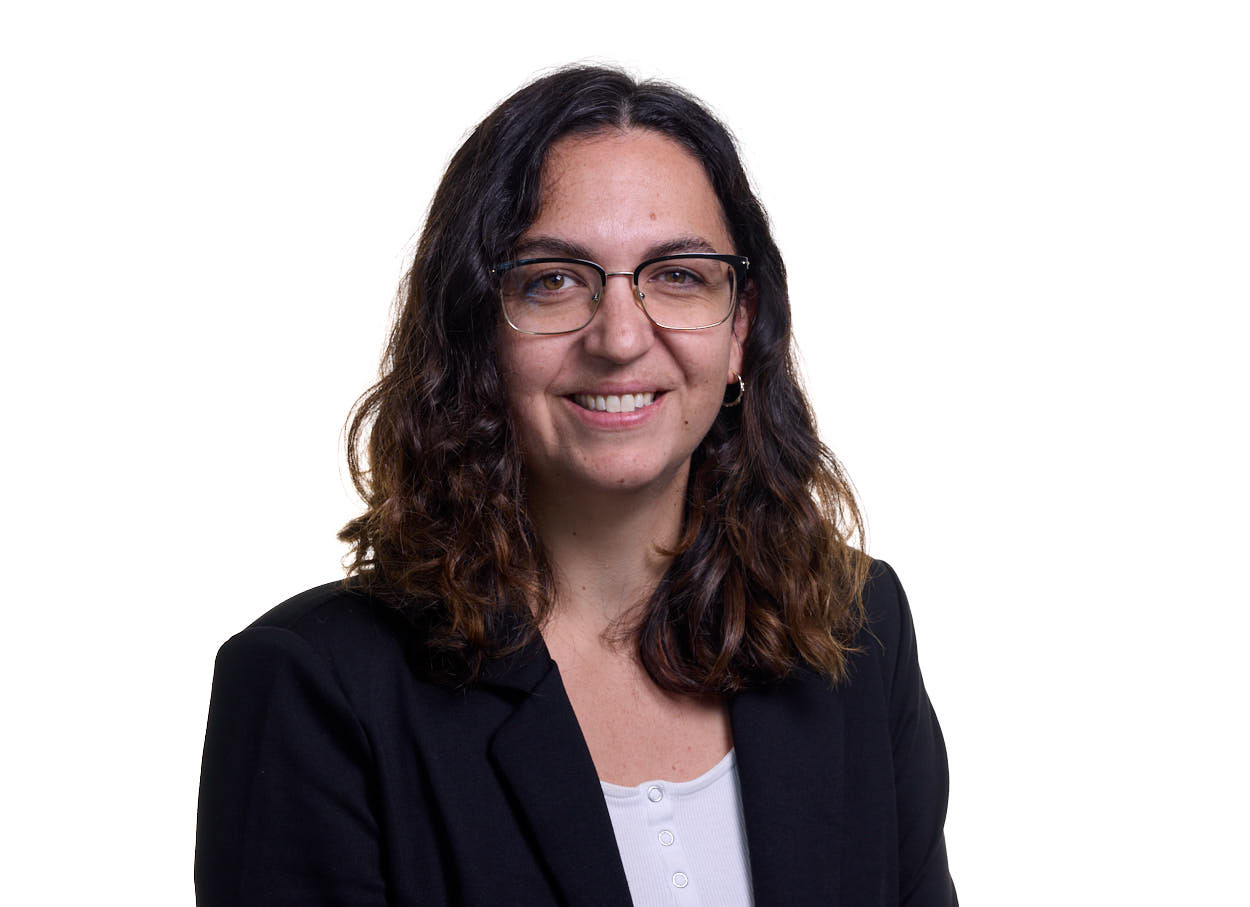 Centre on Population Dynamics (CPop), University of Southern Denmark. Her research focuses on mortality, longevity, and population aging, with particular interests in the measurement and forecasting of mortality, health, lifespan inequality, and cause-specific mortality. She has developed statistical and demographic approaches to better understand changes in population health and aging and has published extensively on mortality dynamics, longevity, and health inequalities in leading international journals.
CAIRNS Andrew
Andrew Cairns is Professor of Actuarial Mathematics at Heriot-Watt University , Edinburgh and at the Maxwell Institute for Mathematical Sciences. He is well known both in the UK and internationally for his research in financial risk management for pension plans, life insurers and, more recently, renewable energy projects. In recent years, his research has focused on the modelling of longevity risk: how this can be modelled, measured and priced, and how it can be transferred to the financial markets. Amongst his work in this field, he has developed a number of new and innovative stochastic mortality models, most notably the CBD family. He has also worked extensively on inequalities in all-cause and cause of death mortality, and the evolving impact of Covid-19 on current and future mortality.His research has received several international prizes including the Halmstad Prize in 2008, the Society of Actuaries Annual Prize in 2009 and the Robert I. Mehr Award in 2016. Much of his research is focused on delivering rigorous solutions to problems of practical importance. This has resulted in three highly-rated impact case studies for the UK's Research Excellence Framework (REF) and the award of the Edinburgh Mathematical Society's inaugural Impact Prize in 2022.He is an active member of the UK and international actuarial profession: he qualified as a Fellow of the Faculty of Actuaries in 1993; he has held senior editorial roles at ASTIN Bulletin - The Journal of the International Actuarial Association (1997 to 2017) and Insurance: Mathematics and Economics (since 2023); and in 2005 he was elected as a corresponding member of the Swiss Association of Actuaries. From 2016-2020 he was Director of the Actuarial Research Centre of the Institute and Faculty of Actuaries. In 2016 he was elected as a Fellow of the Royal Society of Edinburgh, Scotland's national academy of science and letters.
CARMICHAEL Jack
Jack Carmichael is a Senior Longevity Pricing Actuary in SCOR’s Longevity Pricing team. Having previously worked across longevity research, pricing and pensions consulting, he specialises in helping stakeholders understand the risks and opportunities created by changing mortality and longevity trends.
Jack is an active contributor to industry research and a passionate commentator on ageing, health and retirement, regularly sharing his insights with the wider actuarial and pensions community through comments in the national media and on LinkedIn.
CHAN Mei Sum
Mei Sum Chan is a statistician, epidemiologist and longevity actuary with a diverse background in population health and ageing.
Currently, Mei is an R&D director at Pacific Life Re. Prior to this, she has worked in multidisciplinary groups across life sciences consulting, academia and insurance, at LCP Health Analytics, University College London and Legal & General. She received her PhD in Population Health from the University of Oxford, where she developed biological ages using novel biostatistical methods for disease risk prediction and communication.
She is a member of committees at the intersection of health research, statistics and the actuarial profession. These include the IFoA Health & Care Research Sub-committee (Chair), IFoA Health & Care Board, IFoA Mortality Research Steering Committee (Health & Care liaison) and IAA Health Forum.
CHAO Chi-Fang
Chi-Fang Chao is a PhD student in the Department of Risk Management and Insurance at National Chengchi University (NCCU), Taiwan. His research is dedicated to computational finance, integrating financial data analysis with modern computational methods. His aim is to evaluate and advance risk management strategies.
CHEN Hua
COHEN Ziv
DI PALO Cinzia
Cinzia Di Palo is a researcher in Mathematical Methods for Economics, Finance and Actuarial Sciences at the University of Cassino and Southern Lazio. Her research focuses on longevity risk, mortality modelling, life annuities, pension sustainability and actuarial-demographic indicators. Her recent work investigates the role of entropy, actuarial duration and life disparity in the valuation and risk assessment of annuity portfolios, as well as the impact of mortality-improvement shocks through the vitagions framework. She has published in leading actuarial and demographic journals, including the European Actuarial Journal, Insurance: Mathematics and Economics, and Demographic Research, and has presented her research at international actuarial and demographic conferences.
ELMEADDAWY Eman
Eman Elmeaddawy is currently finishing her PhD in Actuarial Science at the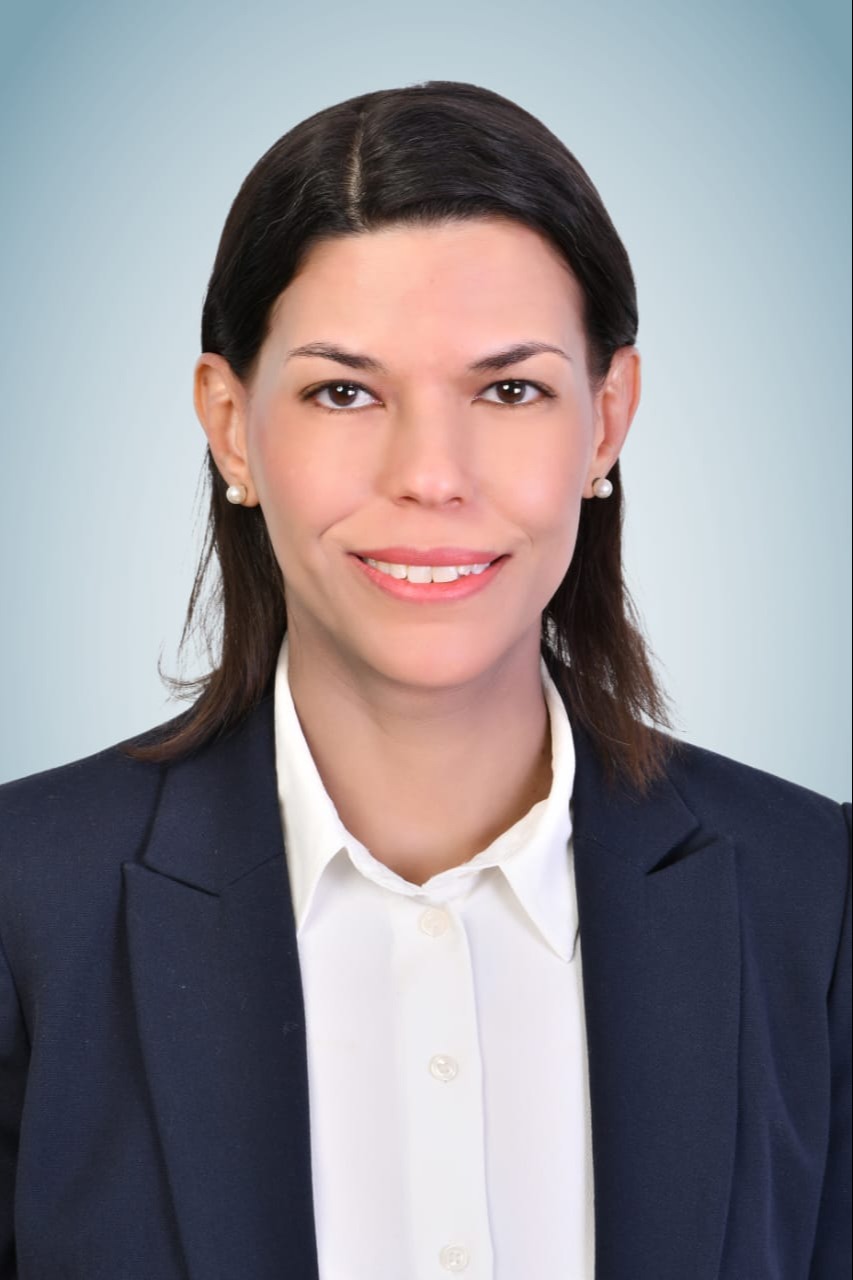 University of Lausanne (Unil), Switzerland. The main theme of her PhD is cause-specific mortality in Europe. She got her Masters in Actuarial Management from Heriot Watt University, UK. She is also a nearly qualified actuary - only two subjects left to be a Fellow of the Institute and Faculty of Actuaries (IFoA) in the UK. She has several years of experience working in the Financial Regulatory Authority in Egypt, overseeing the actuarial function of private pension funds and life insurance companies. She has a growing interest in actuarial research being applied in a practical professional context.
FU Yu
Yu FU is a Research Fellow at the Nanyang Business School, Nanyang Technological University (NTU), Singapore.
Prior to joining NTU, she also worked in the life insurance industry and at a public policy think tank established by the former China Insurance Regulatory Commission (CIRC). She has published policy articles in leading Chinese policy and finance journals, including the People's Daily and China Finance.
Dr. Fu's research focuses on actuarial science and health economics, with a particular focus on population ageing. She currently serves as the Principal Investigator of the Retirement Protection Gap Study within Asia.
GALLO Ivan
Ivan Gallo is a researcher at the Department of Civil, Chemical, Environmental and Materials Engineering, Alma Mater Studiorum - University of Bologna. He received his PhD in Mathematics and Models from the University of L'Aquila, where he specialised in counterparty credit risk, X-Value Adjustments (XVA), nonlinear derivative valuation, and numerical methods for financial applications.
He subsequently held postdoctoral research positions at the Department of Engineering, Information Science and Mathematics of the University of L'Aquila and at the Department of Statistical Sciences "Paolo Fortunati" of the University of Bologna. During his postdoctoral research in L'Aquila, he worked on stochastic optimal control applied to economic and financial problems, including optimal consumption and portfolio allocation in markets with longevity-linked securities and the effects of mortality-model ambiguity on investment in longevity bonds.
His recent research focuses on actuarial and longevity-related problems, including mortality forecasting under model uncertainty, period-cohort differences in life expectancy and survival, and their implications for pension fairness and actuarial valuation. His other research activities include cumulative-rainfall modelling for weather-index insurance, the valuation of spark-spread derivatives under counterparty credit risk, and optimal-control problems with economic and industrial applications to composite-material production processes.
GAYANI Thalagoda
HUANG Hong-Chih
HUANG Pin-Xuan Ysonia
Pin-Xuan Ysonia Huang is a recent Master's graduate in Economics with a Bachelor's degree in Risk Management. She has a growing interest in population issues and interdisciplinary research, particularly studies situated in the Taiwanese context. Her academic training has provided her with a strong foundation in quantitative analysis and policy evaluation, which she continues to strengthen through research on demographic change and broader questions of population health and social impact.
Her recent research focuses on cancer cohort studies in Taiwan, investigating cancer incidence, mortality, survival, health care utilization, and the risk factors associated with these outcomes. Through this work, she has developed experience in the analysis of longitudinal health data and the application of quantitative methods to address population health issues.
Driven by intellectual curiosity and a commitment to strengthening both her methodological rigor and contextual understanding, she is currently preparing applications for PhD programs. Her long-term research interests lie in population health, health economics, and demographic change, with the goal of generating evidence to inform public policy and improve health outcomes.
JENSEN Bjarne Astrup
Bjarne Astrup Jensen is an Asssociate Professor at Copenhagen Businsess School. His Research areas are: Asset pricing, term structure theory and bond markets, mathematical finance and derivatives in general, capital markets and taxation, pension systems
Educational background: M.Sc. (Mathematics and Economics), Aarhus University, 1977
Academic positions held: CBS: Associate professor, 2015-present, 2001-2007, 1982-1998 (on leave 2004); professor (fixed term), 2007-2015 and 1998-2001.
Visiting professor, Centre for Finance, School of Economics and Commercial Law, Gothenburg University 2004-2006 (full time 2004).
Member of Bond Market Committee of the Danish Association of Chartered Financial Analysts, 2005-2023
KAMINSKA Natalia
Natalia Kamińska holds a bachelor's degree in Social Policy from the University of Warsaw. She is currently pursuing a master's degree in European and Global Studies (with a specialization in social challenges) at the University of Padua. She participated in numerous conferences and events in the area of aging and social insurance management, such as: 21st International Conference on Pensions, Insurance and Savings Lisbon 2025 or 15th Interdisciplinary Conference “Aging, Intergenerational Solidarity and the Polycrisis,” held from 22–24 October 2025 at Linköping University in Sweden.
Her research interests focuses on the economic and legal aspects of population aging and pension reforms.
KALLESTRUP-LAMB Malene
LI Runze
Runze Li is currently pursuing her Ph.D. in Actuarial Science at the University of Melbourne. In her doctoral thesis, Runze is dedicated to developing methodologies for mortality nowcasting and forecasting, particularly applying mixed frequency sampling techniques. Her aim is to provide insurers and researchers with reliable real-time estimations of mortality rates, enabling informed decision-making based on up-to-date data.
LIU I-Chien
I-Chien Liu is an Associate Professor of the Department of Insurance and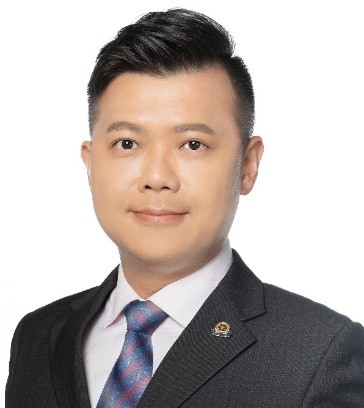 Finance at National Taichung University of Science and Technology in Taiwan. He earned his Ph.D. from the Department of Risk Management and Insurance at National Chengchi University in Taiwan. His research areas cover embedded options for insurance products, reverse mortgage, mortality modelling and longevity risk. He has published articles in the Journal of Risk and Insurance, Insurance: Mathematics and Economics, and Geneva Papers on Risk and Insurance-Issues and Practice.
LYU Lingfeng
Lingfeng Lyu is a Postdoctoral Researcher at CEPAR and the School of Risk and Actuarial Studies, UNSW Sydney. His research focuses on the financial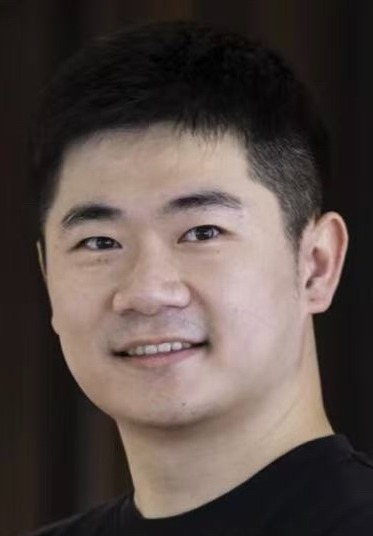 economics of population ageing, risk management, and actuarial science. His current work explores public aged care systems, long-term care insurance (LTCI), home equity release, and prudential regulations for aged care providers.
MACMINN Richard
MAGNI Guilia
Giulia Magni is a PhD student in Actuarial Sciences at the Department of Statistical Sciences of Sapienza University of Rome. Her doctoral activity combines actuarial modelling, stochastic processes, demographic forecasting, and risk management techniques, with particular attention to their application to financial and insurance products designed to protect elderly and vulnerable populations
MARIN Alexander
Alexander O.K. Marin is an Assistant Professor at the Danish Centre for Health Economics (DaCHE), University of Southern Denmark, where he works at the intersection of health economics, demography, and machine learning. His research focuses on mortality heterogeneity, healthcare expenditure dynamics and risk, and health inequality over the life course, with a particular emphasis on methods for decomposing population-level risk into individual-level contributions. He has published on competing demographic drivers of hospital expenditure, lifetime healthcare costs across socioeconomic groups, and health inequalities among Danish retirees. His work draws primarily on Denmark's linked administrative registers, one of the world's most comprehensive sources of population-level health and socioeconomic data. At Longevity 21, he presents findings from a complete population study of premature mortality risk (nearly 3 million adults, over 1,500 variables) identifying a sharply bounded high-risk tail with direct implications for longevity risk modeling.
MARINO Mario
Mario Marino is a Senior Assistant Professor at the Department of Economics , Business, Mathematics and Statistics “Bruno de Finetti”, University of Trieste (Italy), and a core faculty member at MIB Trieste School of Management. He holds a Ph.D. in Actuarial Sciences from Sapienza University of Rome, and is a fully qualified actuary, Fellow of the Italian Order of Actuaries. His research focuses on stochastic models for life and health insurance, mortality modeling and forecasting, and longevity risk measurement and management. His research has been published in leading actuarial and insurance journals, such as Insurance: Mathematics and Economics, ASTIN Bulletin, Scandinavian Actuarial Journal, and North American Actuarial Journal. He serves as Associate Editor of the European Actuarial Journal and is a member of the Scientific and Educational Committees of the Italian Order of Actuaries.
MENZIETTI Massimiliano
Massimiliano Menzietti is Associate Professor of Mathematical Methods for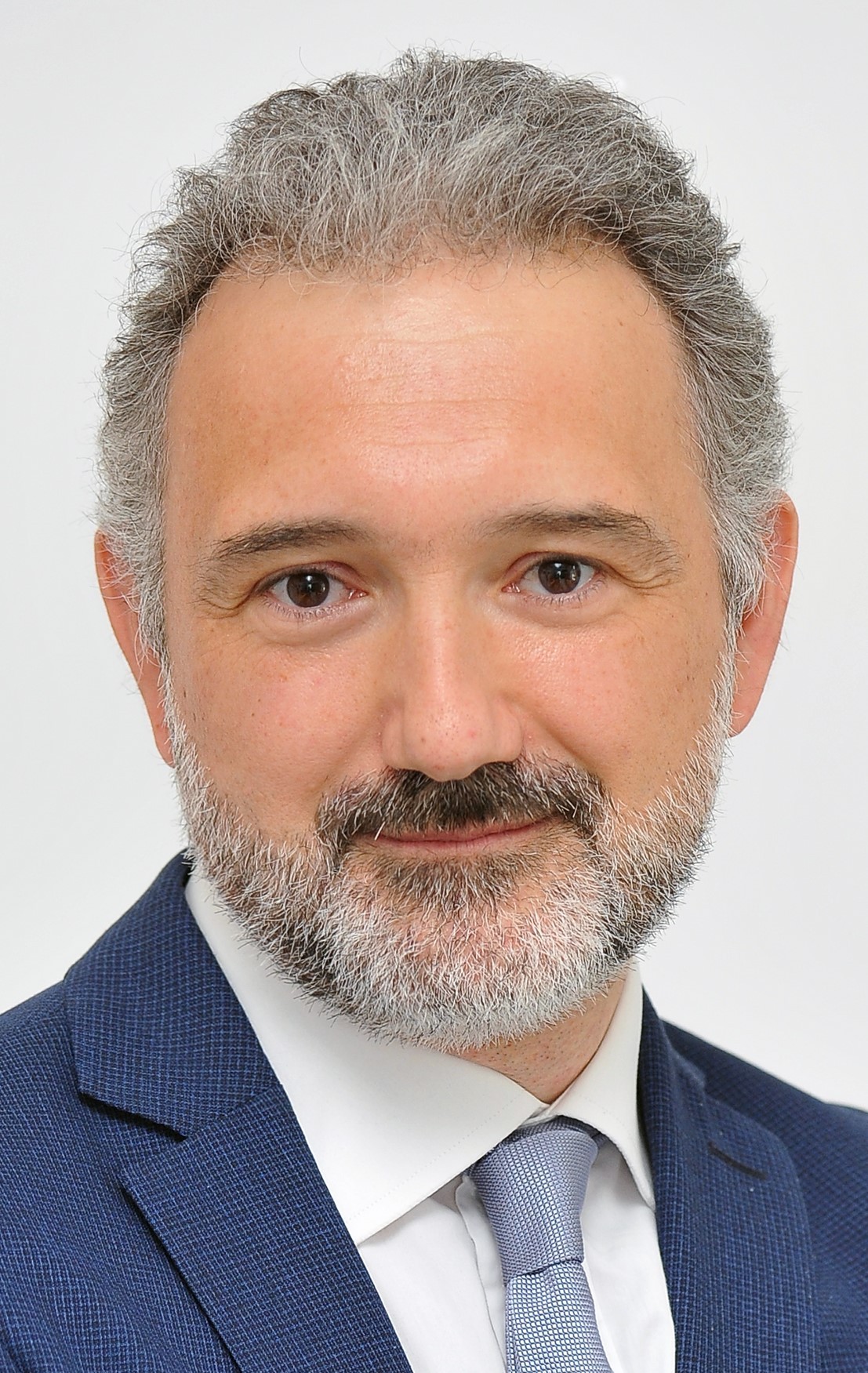 Economics and Actuarial and Financial Sciences at the University of Salerno, Italy. He holds a PhD in Actuarial Science from Sapienza University of Rome. His research focuses on longevity and mortality risk, actuarial modelling and risk management in health insurance and long-term care, the financial sustainability and social adequacy of pension systems, and the pricing and risk management of mortality- and longevity-linked securities. His publications include articles in journals such as Insurance: Mathematics and Economics, ASTIN Bulletin, Scandinavian Actuarial Journal, The Geneva Papers on Risk and Insurance – Issues and Practice, Annals of Actuarial Science, and Annals of Operations Research. He is a member of the Editorial Board of Risks and co-coordinator of the Italian actuarial working group on the mortality of pensioners and annuity recipients.
MIAO Ziting
Ziting Miao is a PhD candidate in Actuarial Science at the University of Melbourne. Her research focuses on mortality modelling using high-frequency data, with particular interests in developing statistical methods for forecasting mortality dynamics. She also works on portfolio risk sharing for extreme losses, exploring risk allocation and diversification under heavy-tailed risks, as well as broader quantitative methods in actuarial science and risk management. Her research aims to bridge theoretical developments with practical applications in insurance and financial risk management. She also serves as a peer reviewer for the International Journal of Forecasting.
MIN Jiacheng
Jiacheng Min is a Ph.D. candidate in Actuarial Science at the University of  Melbourne. His research focuses on climate-related mortality modeling and insurance pricing. He investigates how climate change affects mortality risks and how these effects can be quantified and incorporated into actuarial models.
ORLOVSKY Luba
Luba Orlovsky is a Principal Researcher at Earnix and machine learning practitioner with 20 years of experience building AI systems that are powerful, explainable, and fair.
She leads research at the intersection of advanced ML and real-world deployment developing algorithms that have reached production environments in 35+ countries and shaping industry standards around responsible AI in financial services. Her work has helped organisations navigate the growing demands of AI regulation across the UK, EU, and US.
A published author, international conference speaker, and active contributor to professional communities including the IFoA and Women in Data Science, Luba is equally at home in a research lab and on a stage. She is passionate about making complex technical ideas accessible, championing diversity in data science, and showing that rigorous ML and human impact are not trade-offs but can go hand in hand.
PETRELLA Raffaele
Raffaele Clemente Petrella is a PhD student in Economics, Statistics and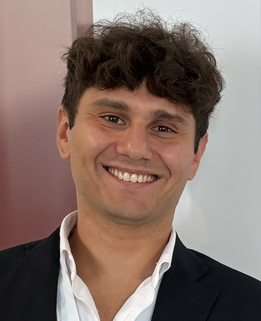 Sustainability at the University of Naples “Parthenope”, where his research focuses on the development and application of machine learning and deep learning models to actuarial science. His current work includes climate-informed mortality modelling, longevity risk analysis, stochastic mortality models, and the integration of environmental factors into actuarial forecasting.
PISCITELLI Alberto
Alberto Piscitelli is a PhD Candidate in Actuarial Sciences at Sapienza University  of Rome. His research interests include longevity risk, long-term care insurance, pension products, and actuarial modelling. He is a Fully Qualified Actuary, professionally involved in insurance risk management and Solvency II topics.
RAMONAT Stefan
Stefan Ramonat is the Technical Director of actuarial consulting firm Ad Res. Stefan joined Ad Res in 2024 after nearly fifteen years as a pension consulting actuary. He leads the development and implementation of risk analysis tools and processes for longevity and mortality risks, as well as other demographic and biometric risks. Ad Res serves clients across the pension, insurance, and reinsurance industries. Stefan has worked on longevity risk in several countries. A recent Ad Res project that Stefan led was to develop an ordinal geo-demographic profiler for the United Kingdom in partnership with LexisNexis Risk Solutions. Ongoing work includes developing innovative tools for pension risk transfer and pension valuation in collaboration with Procentia.
Immediately prior to joining Ad Res, Stefan was the lead pensioner longevity and mortality modelling expert for the Canadian operations of a large international consulting firm. There he led mortality experience studies for numerous pension plans and spearheaded the development of a mortality model to assist smaller plans in setting assumptions. He has spoken on mortality and longevity at seminars and annual meetings of the Canadian Institute of Actuaries and Society of Actuaries, has volunteered on various longevity-related research committees, and has contributed to published academic and educational papers on the subject. Stefan was a co-author of a research paper on modelling seasonality in mortality that was awarded the 2021 Peter Clark Prize for Best Paper by the Institute and Faculty of Actuaries.
Stefan is based in Ottawa, Canada and is a Fellow of the Canadian Institute of Actuaries and a Fellow of the Society of Actuaries. He graduated with distinction with a Bachelor of Mathematics in actuarial science from the University of Waterloo.
RICHARDS Stephen
Stephen Richards is the managing director of Longevitas, a specialist provider of actuarial tools for longevity risk and annuities. Stephen co-founded Longevitas in 2006 and the software has users in the UK, USA, Canada and Switzerland. Prior to Longevitas he headed Prudential plc's longevity analysis team, and before that he headed the product-pricing team at Standard Life for bulk annuities.
Stephen is an Honorary Research Fellow at Heriot-Watt University, and regularly publishes research addressing practical longevity issues in actuarial work. His most recent research is on the actuarial origins of survival models and how to make robust mortality forecasts using data affected by the COVID-19 pandemic."
ROMANO Rocco
Rocco Romano is Full Professor of Applied Physics at the Department of Physics "E.R. Caianiello", University of Salerno, Italy. He received his Laurea in Physics (summa cum laude), his Ph.D. in Physics, and his specialization in Medical Physics from the University of Naples Federico II.
His research combines theoretical and experimental approaches in applied physics, with particular emphasis on medical physics, magnetic resonance spectroscopy and imaging, radiation protection, advanced sensing systems, and scientific instrumentation for biomedical, environmental, industrial, and aerospace applications.
Since 2006, Professor Romano has been a member of the Virgo Collaboration (INFN–CNRS), contributing to the historic detection of gravitational waves. In recognition of this achievement, he shared the 2016 Special Breakthrough Prize in Fundamental Physics and the Gruber Cosmology Prize, awarded to the LIGO–Virgo Collaboration.
His current research interests include quantum technologies, quantum computing, advanced scientific instrumentation, medical physics, radiation protection, and intelligent sensing systems for scientific and biomedical applications.
ROVIELLO Alba
Alba Roviello is a Tenure Track Researcher of Mathematical Methods of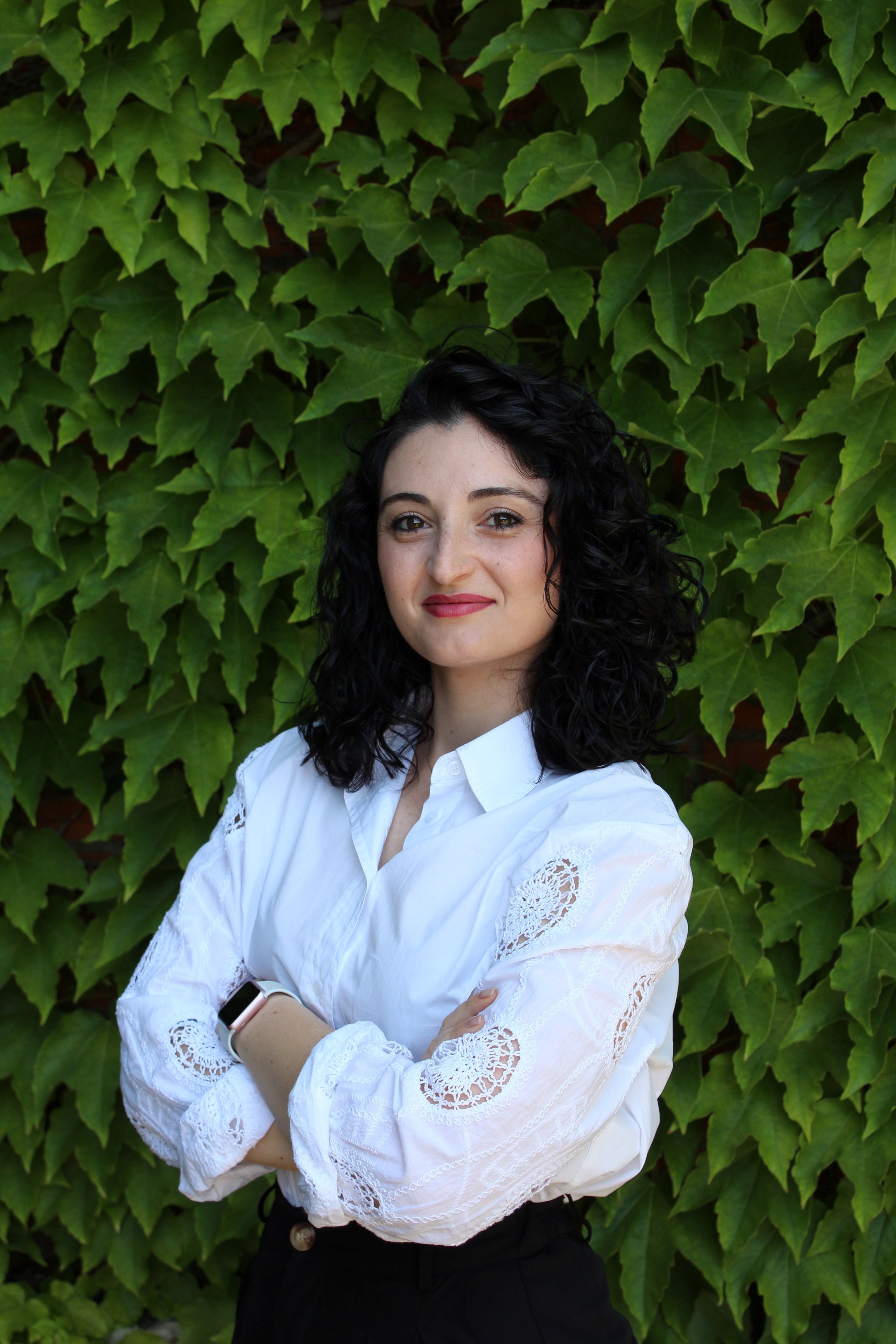 Economics, Actuarial and Financial Science at the Department of Economics and Statistics of the University of Naples Federico II. Her research activity ranges from game theory, ambiguity and psychological games up to quantitative methods for finance and actuarial mathematics.
SCHULZ Philipp
Philipp Schulz is a consultant at the Institut für Finanz- und  Aktuarwissenschaften (ifa), an actuarial consulting firm based in Ulm, Germany. The focus of his consulting work is the development and technical implementation of innovative life insurance products.
Philipp is a Ph.D. student in actuarial science at the institute of insurance at Ulm University. His research focuses on mortality modelling and longevity risk. He holds a Master of Science in Mathematics and Management from Ulm University.
SO Kenrick
Kenrick So is a PhD researcher at the Institute of Statistics, Biostatistics, and Actuarial Sciences in Université catholique de Louvain under the supervision of Karim Barigou. His research focuses on integrating climate risks into actuarial and financial risk modeling. He develops quantitative models that integrate climatic variables to study their impact on mortality dynamics and to assess implications for forecasting, pricing, and hedging in insurance and financial markets.
SZCZEPANSKI Marek
Marek Szczepański, Ph.D.,D.Sc – researcher and lecturer, head  of the Devision of Enterprise Economics, Investment and Insurance at Poznan University of Technology. (Poland). The main areas of his research interest: pension economics, insurance and risk management. He conducted also research and lectures abroad, mainly in Germany. The author of 150 scientific publications, including monograph a monograph: “Długowieczność sw systemach emerytalnych. Narzędzia ekonomii behawioralnej I zarządzanie ryzykiem” [“Longevity in Pension systems: Behavioral Economics Tools and risk Management”], Publishing House of Poznan University of Technology, Poznan 2024. This book won the prestigious Prof. Edward Lipiński Award from the Polish Economic Society for a book published in the period 2023–2024 that “contributes new value to economic theory”.
He is a co-organizer of 9 international scientific conferences in Poznan “Social Security Systems in the Light of Demographic, Economic and Technological Challenges”. Prof. M.Szczepański is a member od management boards Polish scientific associations and networks (Polish Economic Society – PTE, Polish Social insurance Associacion - PSUS) and a member of the International Network for Pension Research (INPeR).
More Information
https://marek.szczepanski.pracownik.put.poznan.pl/en/main-page
https://sin.put.poznan.pl/people/details/marek.szczepanski
TINGATE Trevor
VILLEGAS Andres
Andrés Villegas is an Associate Professor in the School of Risk and Actuarial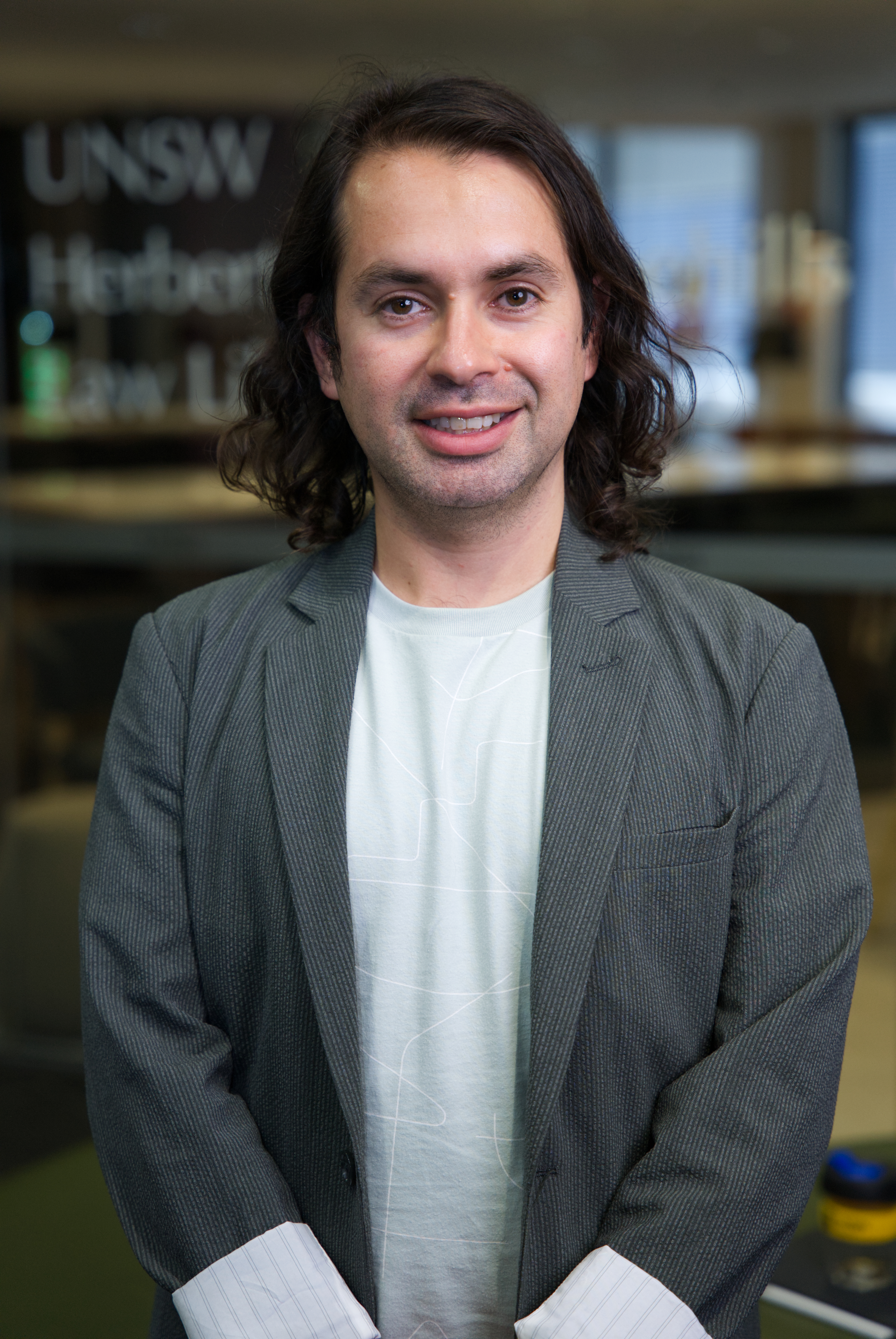 Studies at UNSW Sydney. He holds a PhD in Actuarial Science from Bayes Business School and specialises in mortality modelling, longevity risk, and actuarial applications of analytics. His work bridges academic research and industry practice, notably through the development of the widely used R package StMoMo. Andrés is the recipient of the 2024 SOA Actuarial Science Early Career Research Award and serves as Associate Editor of the Annals of Actuarial Science.
WANG Hsin-Chung
Hsin-Chung Wang had 8 years working experience at the Cathay Life Insurance Company, the largest insurance company in Taiwan. He is a Professor in the Department of Statistical Information and Actuarial Science, Aletheia University. His major research interest is related to statistics and actuarial science, especially emphasizing on longevity risk and experience study (such as mortality rates and incidence rates). His research work appears in Insurance Mathematics and Economics, ASTIN Bulletin, North American Actuarial Journal and Journal of Population Studies.
WANG Huiyuan
Huiyuan Wang, PhD Candidate, School of Economics, Nankai University. Her research centres on public and private pension systems, longevity risk management, population ageing, and long-cycle investment management. Her ongoing research explores pension actuarial modelling, longevity insurance products, macroeconomic impacts of demographic shifts, and long-term asset allocation strategies for retirement wealth
WANG Jennifer
YUE Ching-Syang Jack
Ching-Syang Jack Yue is a consultant, actuary, and professor in the Department  of Statistics at National Chengchi University, Taiwan. He previously served as President of the Taiwan Population Association and currently leads a Big Data research team at National Chengchi University. His research integrates statistical theory, actuarial science, and data analytics to address complex challenges arising from the era of big data. His primary research interests include longevity and population aging, mortality modeling, risk management, and the application of quantitative methods to financial decision-making. He is particularly dedicated to applying statistical thinking and advanced quantitative analysis to real-world problems, with a special emphasis on longevity research and its implications for financial management, insurance, and public policy.
ZHOU Kenneth
Kenneth Q. Zhou is an Associate Professor of Actuarial Science in the Department of Statistics and Actuarial Science at the University of Waterloo. He received his PhD in Actuarial Science in 2019 and worked as an Assistant Professor at Arizona State University from 2019 to 2024 before returning to Waterloo in 2025. He is a Fellow of the Society of Actuaries (FSA) and an Associate of the Canadian Institute of Actuaries (ACIA).
Kenneth's research interests lie at the intersection of actuarial science, statistics, and finance, with a focus on stochastic mortality modeling, longevity risk management, and Bayesian modeling and forecasting. His recent work examines socioeconomic disparities, discrimination, and fairness issues in longevity risk and pension mathematics, as well as non traditional approaches to mortality modeling grounded in vitality and reliability theory.
ZHU Nan
Nan Zhu is the Elliott Fellow in Actuarial Science and Associate Professor of Risk Management in the Risk Management Department at Penn State University - University Park. Dr. Zhu’s research interests span the fields of actuarial science, insurance economics, and quantitative risk management. He has published his research in leading academic journals such as Operations Research, Quantitative Economics, the Journal of Risk and Insurance, Insurance: Mathematics and Economics, the Geneva Risk and Insurance Review, and the North American Actuarial journal. He is a recipient of the 2017 Redington Prize from the Society of Actuaries and the 2023 Penn State Teaching Fellow. He is a Fellow of the Society of Actuaries (FSA) and Chartered Enterprise Risk Analyst (CERA).
ZHU Xiaobai
Xiaobai Zhu is an Assistant Professor of Actuarial Science in the Department of  Finance at the Chinese University of Hong Kong. He is an Associate of the Society of Actuaries (ASA). He received his PhD in Actuarial Science from the University of Waterloo in 2019 and worked as an Assistant Professor at Southwestern University of Finance and Economics from 2020-2022. Xiaobai’s research interests include stochastic mortality modeling and hybrid pension design.